The Mallika is the variety that closes the Karnataka mango calendar — and arguably the one that should open most conversations about quality. It is a hybrid, developed in 1971 at the Indian Agricultural Research Institute by crossing Dasheri (the North Indian aromatic king) with Neelum (the South Indian late-season workhorse). The result is a mango that combines the perfume of the Dasheri with the late-ripening reliability of the Neelum — and arrives in mandis just as Raspuri and Badami are exiting.
If you are a Bengaluru household that wants to eat mango in July, the Mallika is your variety.
A short biography
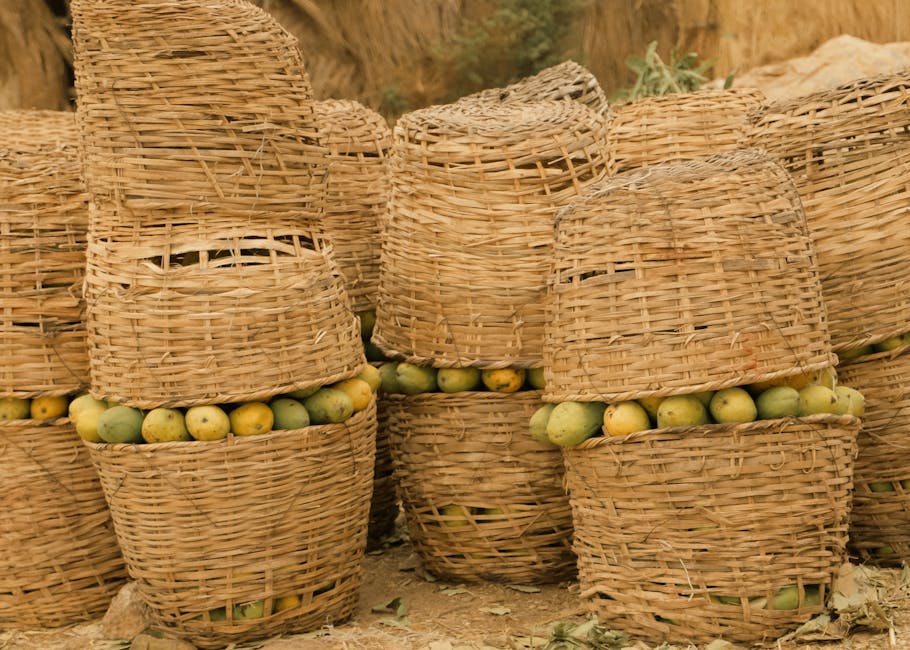
Mallika trees flower late — early March — and the first ripe fruit lands in mandis by mid-June, three to four weeks after Raspuri's peak. The variety is cultivated across Karnataka, with the Kolar–Hassan–Tumkur belt producing most of what reaches Bengaluru. It is also grown in Tamil Nadu and Andhra Pradesh, but the Karnataka fruit has the strongest aromatic profile.
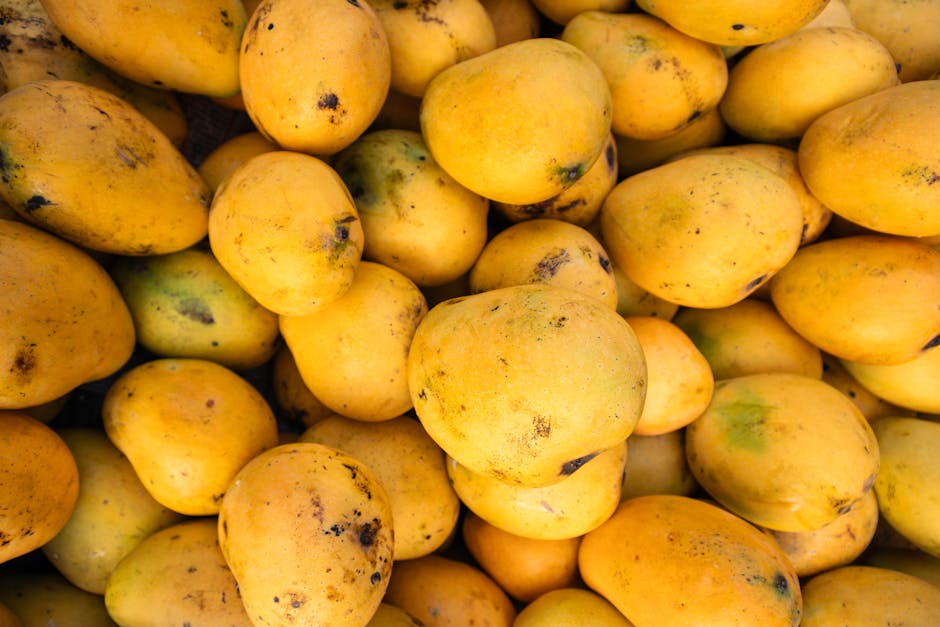
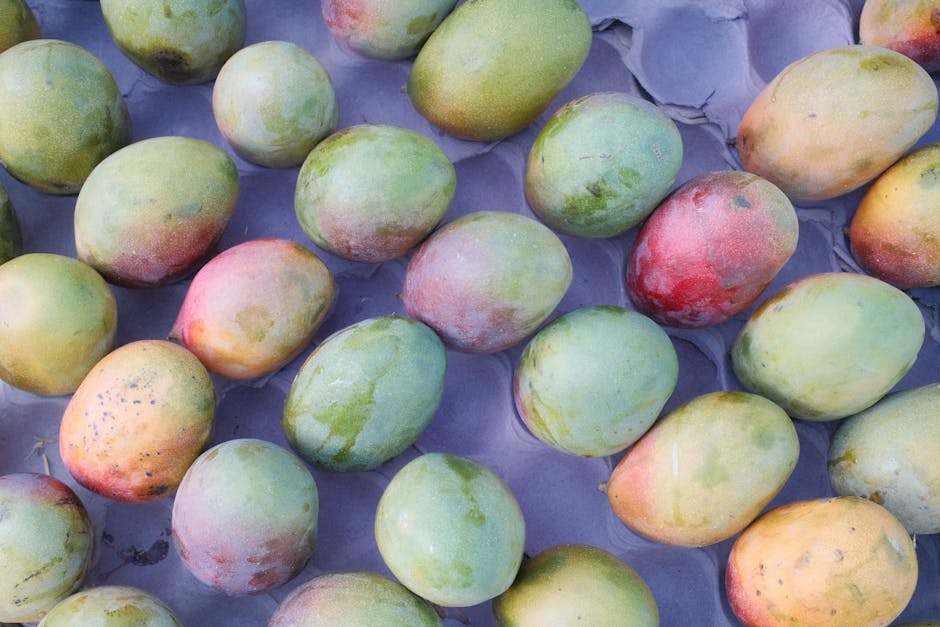
A typical Mallika weighs 350 to 500 grams — among the largest of the popular varieties. The skin ripens to a clean golden yellow with no red blush; the flesh is firm, dense, almost completely fibreless, and carries a perfume more complex than any single-origin variety. Eaters often describe a Mallika as smelling of citrus, honey and ripe melon, all at once.
Why Mallika exists
The Mallika was created to solve a specific problem: India's two best aromatic mangoes — Dasheri and Alphonso — both ripen in May, leaving the second half of the mango season to less aromatic late varieties. Dr. Ram Nath Singh at IARI crossed Dasheri with Neelum specifically to push the aromatic profile into July and August. The result has been so successful that Mallika is now grown in mango programmes from Florida to Kenya.
In Karnataka, it has quietly become the connoisseur's mango — sought out by households who want something more interesting than Banganapalli once Raspuri is gone.
The Mallika is the only mango that can carry a Bengaluru monsoon afternoon.
What it tastes like
A Mallika is the most aromatic mango most Indian eaters will encounter. The first time you cut one open, the kitchen fills with a smell that is more complex than any single fruit should reasonably produce. The flavour follows: bright honey at the front, a citrus lift in the middle, and a long melon-like finish. Sweetness is high (around 22° Brix at peak) but balanced — never cloying.
It is the best mango on this atlas for two specific uses:
- Eating fresh, slowly. Mallika rewards small bites. The aromatic complexity unfolds over a minute in the mouth.
- Mango ice cream and sorbet. The dense pulp blends to a perfect texture, and the aromatic lift survives freezing — something most varieties cannot do.
It is not the right mango for aamras (Raspuri is) or for everyday snacking (Banganapalli is). It is the right mango for the moment when you want to remember why mango is the king of Indian fruit.
When to buy Mallika
Three notes for the 2026 buyer:
- Order in late June. The first Mallika boxes appear around June 15. By July 10 the variety is at peak. By August 15 the season is essentially over.
- Do not refrigerate before fully ripe. Mallika needs four to seven days at room temperature to develop its aroma. Refrigerating early will lock the perfume in and waste the variety.
- Buy small boxes. Mallika is intense. A 2kg box is enough for a household of four to enjoy across a week. Larger boxes risk over-ripening before you can finish them.