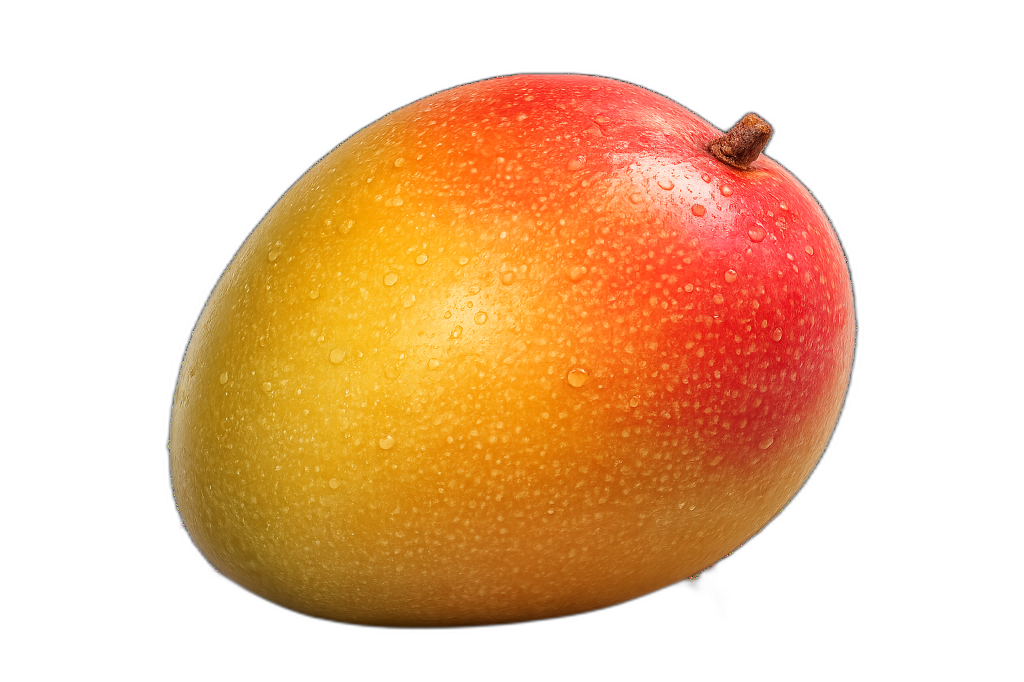
The Alphonso — Hapus in most of India, Aapoos on the Konkan coast — is the most-marketed mango in the world. It carries a Geographical Indication tag, ships in branded wooden crates lined with hay, and commands prices that the rest of the mango family can only watch from a distance. It has earned much of its reputation, and inherited the rest from a hundred years of Bombay nostalgia.
This page is the honest version of the Alphonso story: where it comes from, what it actually tastes like next to its competitors, and what 2026's short Konkan crop means for Bengaluru buyers.
A short biography
The Alphonso is named after Afonso de Albuquerque, the Portuguese general who introduced grafting techniques to the western Indian coast in the early 1500s. The variety we know today was developed by Jesuit horticulturalists in the Konkan region — the narrow strip of coast between the Western Ghats and the Arabian Sea — and refined over four centuries into the saffron-fleshed, low-fibre, intensely aromatic fruit that now defines premium Indian mangoes.
The two protected origins are Ratnagiri and Devgad, both in coastal Maharashtra. A smaller third zone — Belgaum district in north Karnataka — produces fruit that is, by climate and clone, the same variety. Karnataka-grown Alphonso is the variety's best-kept secret: identical fruit, often picked the same day, sold without the Konkan brand premium.
Ratnagiri vs. Devgad vs. Belgaum
Three origins, three slightly different fruit:
| Trait | Ratnagiri | Devgad | Belgaum (Karnataka) |
|---|---|---|---|
| Climate | Coastal, humid | Coastal, drier | Inland, ghats foothills |
| Skin colour ripe | Saffron-orange | Deeper orange-red | Saffron-orange |
| Aroma | Floral, sustained | More concentrated, shorter | Floral, lighter |
| Fibre | Very low | Almost none | Low |
| Typical Bengaluru retail | ₹900–1500 / kg | ₹1100–1800 / kg | ₹600–1000 / kg |
| GI tag | Yes | Yes | No |
Devgad commands the highest price because the volume is smallest and the flavour the most concentrated. Belgaum-grown Alphonso is the value play — same variety, no brand tax.
What 2026 looks like
The Konkan coast had a difficult flowering season. Unseasonal rain across mid-February damaged 25–35% of the early flowering across both Ratnagiri and Devgad. The result is a 2026 crop that is shorter, later, and 20–30% more expensive than 2025. Many Bengaluru distributors are quietly substituting Karnataka Badami into "Alphonso" boxes — a substitution most eaters cannot detect by taste alone.
Three pieces of advice for the 2026 Bengaluru Alphonso buyer:
- Buy Belgaum Alphonso, not Konkan. The fruit is the same. You will pay ₹400–600/kg less.
- Or buy Badami. Side by side, the gap is smaller than the price difference. The Badami plate of this atlas makes the case in detail.
- If you are gifting, accept the markup. Alphonso's brand value is not in the fruit — it is in the wooden crate it arrives in. Pay it knowingly.
A bad year for Konkan is a good year for Karnataka. The Badami orchards are loaded this season and the fruit is ten rupees better than it has any right to be.
How to spot a genuine Alphonso
The Alphonso is the most counterfeited mango in India. Three checks before you pay premium prices:
- The skin should be saffron, not yellow. True Alphonso ripens to a deep saffron-orange. Yellow fruit sold as "Alphonso" is almost always Banganapalli or Badami — both excellent mangoes, both not Alphonso.
- The aroma should reach you across the room. A ripe Hapus carries a perfume that fills a kitchen. If you have to put your nose on the fruit to smell it, it is not at peak ripeness.
- The dimensions matter. Alphonso is small — 200 to 300 grams, with a slightly elongated shape and a distinctive curved tip. A 400-gram "Alphonso" is almost certainly Banganapalli wearing a hat.
When to buy from us
The Desi Grove sources Alphonso exclusively from Belgaum, not Konkan. The fruit is the same variety, tree-ripened, never gas-treated, and arrives in Bengaluru within 24 hours of picking. Our 2026 boxes are priced 30% below the Konkan benchmark — not because the fruit is lesser, but because we are not paying a Konkan-to-Bengaluru middleman.