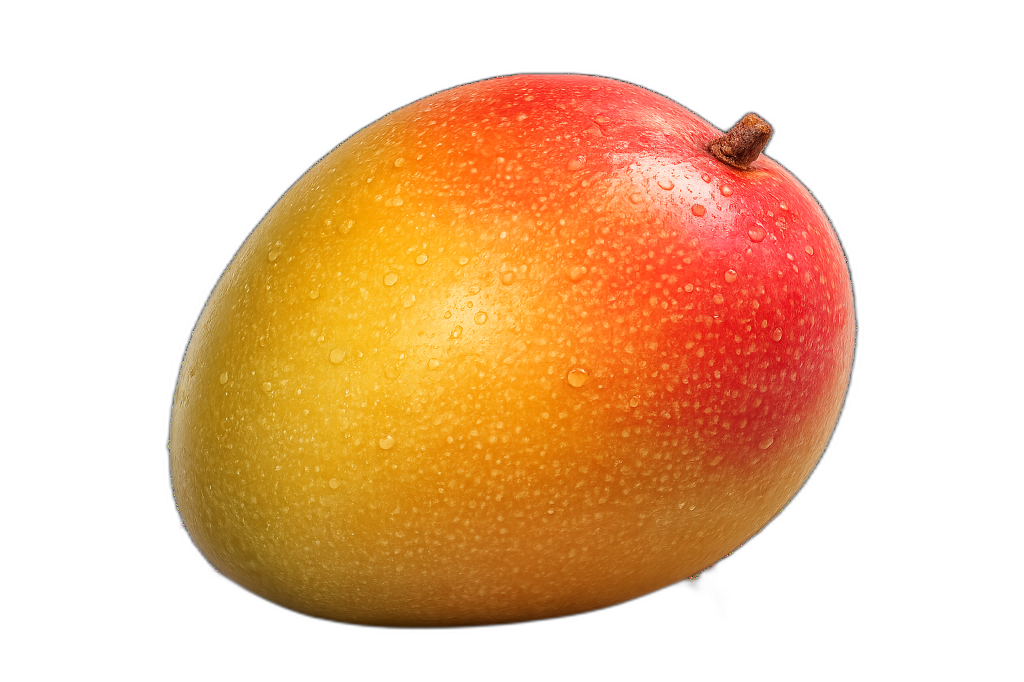
Khao niao mamuang — mango sticky rice — is the best mango dessert in the world that does not come from India. It is the dish every Bengaluru tourist eats on their first night in Bangkok and tries to recreate when they get home. Most fail, because they make two mistakes: they use the wrong rice, and they use the wrong mango.
The rice problem is solvable with a 30-minute trip to a Vietnamese or Thai grocery in Bengaluru. The mango problem is what this page is about.
Why most Indian mangoes are wrong for this dish
Thai mango sticky rice is built around the Nam Dok Mai mango — a Thai variety with three specific qualities:
- Mild, clean sweetness with no resinous or saffron undertones.
- Firm, dense flesh that slices cleanly into thick wedges and holds its shape next to the warm rice.
- Almost zero fibre so the bite is silky.
The Indian mango that comes closest to this profile is the Banganapalli. Not Alphonso (too aromatic, the saffron notes clash with coconut), not Raspuri (too soft, collapses on contact with hot rice), not Mallika (too perfumed). Banganapalli is mild, dense, fibreless, and slices like butter. It is, by accident, the most Thai of the Indian mangoes.
If you cannot find Banganapalli, the second-best substitute is a slightly underripe Mallika — the firmness will be right but the aroma will be more intense than the Thai original.
The method
This recipe takes 45 minutes of attention but only after you have soaked the rice overnight. Skip the soak and the dish will not work.
Day before
- Soak the glutinous rice in cold water for at least 6 hours, ideally overnight. The grains should be visibly swollen the next morning.
The day of
-
Drain and steam the rice. Transfer to a steamer lined with cheesecloth or a banana leaf. Steam over boiling water for 25 minutes, until the grains are translucent and tender. (Do not boil it like normal rice — you must steam it.)
-
Make the coconut sauce while the rice steams. In a small saucepan, combine the coconut milk, sugar, and salt with the pandan leaf if using. Heat gently until the sugar dissolves — do not boil. Set aside half the sauce for serving.
-
Whisk the rice flour into a tablespoon of cold water in a small bowl. Pour into the remaining half of the coconut sauce, return to low heat, and stir for 2 minutes until it thickens slightly into a pourable cream. This is the finishing sauce.
-
Mix the steamed rice with the unthickened coconut sauce. Tip the hot rice into a bowl, pour over the unthickened half of the coconut sauce, and fold gently. Let it sit for 10 minutes — the rice will absorb the sauce and become glossy and slightly sweet.
-
Slice the mangoes while the rice rests. Cut each cheek off, peel the skin, and slice each cheek into 4–5 thick wedges. Banganapalli holds its shape; do not be afraid to slice firmly.
-
Plate. A scoop of the sticky rice on one side, the mango wedges fanned beside it. Drizzle the thickened finishing sauce over both. Sprinkle toasted sesame seeds across the top.
-
Serve immediately, while the rice is still warm and the mango is at room temperature. The temperature contrast is essential.
The Banganapalli accident: an Andhra workhorse mango that turns out to be Thailand’s perfect cousin.
Mistakes to avoid
- Do not refrigerate the mango. Cold mango next to warm rice loses the aroma. Slice it just before serving.
- Do not over-sweeten. Thai sticky rice is salty-sweet, not sugary. The 1/2 teaspoon of salt is what makes the dish work — do not skip it.
- Do not use coconut milk powder. You need real, full-fat coconut milk — ideally a Thai brand. The Indian "thin coconut milk" sold in tetra packs is too watery.
- Do not use jasmine rice. Sticky rice is a different variety entirely — you need the actual glutinous rice. Available in any Asian grocery in Bengaluru.